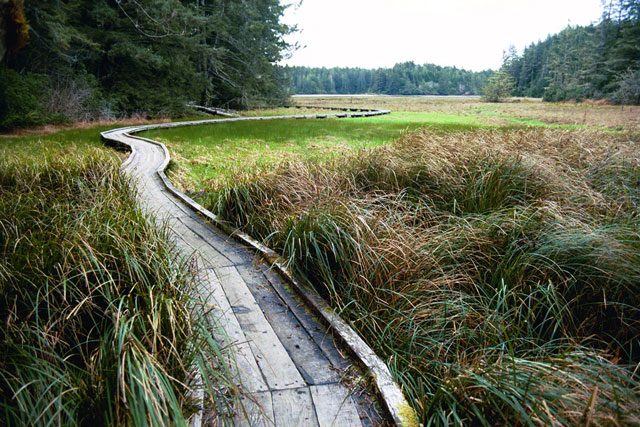
 Trails, South Slough National Estuarine Research Reserve
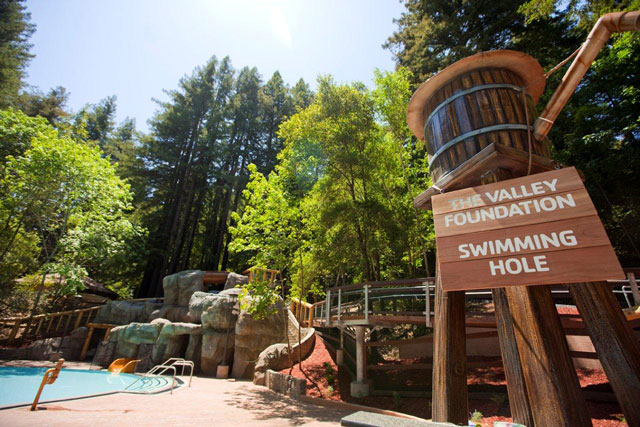 YMCA Camp Campbell Swimming Hole and Slide
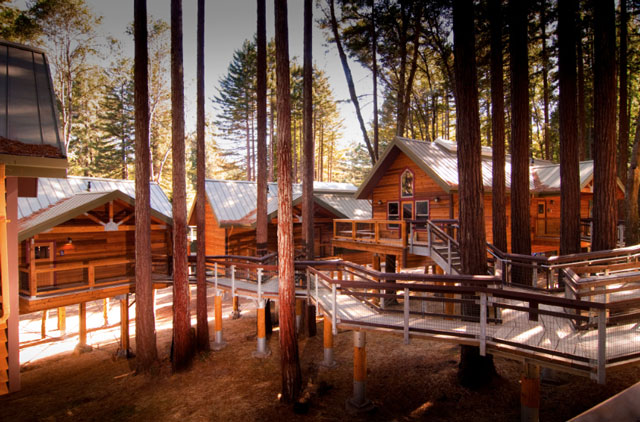 YMCA Camp Campbell Redwood Village
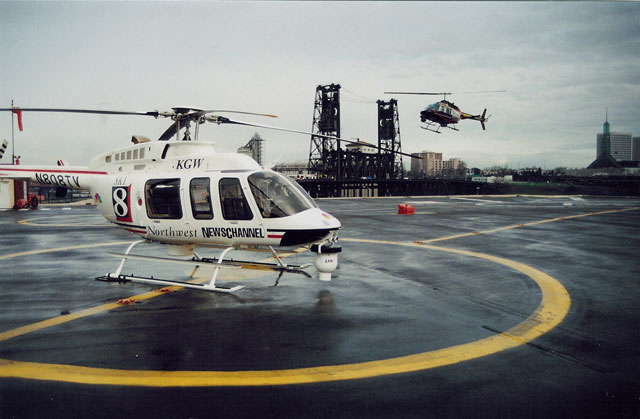 Portland Downtown Public Heliport
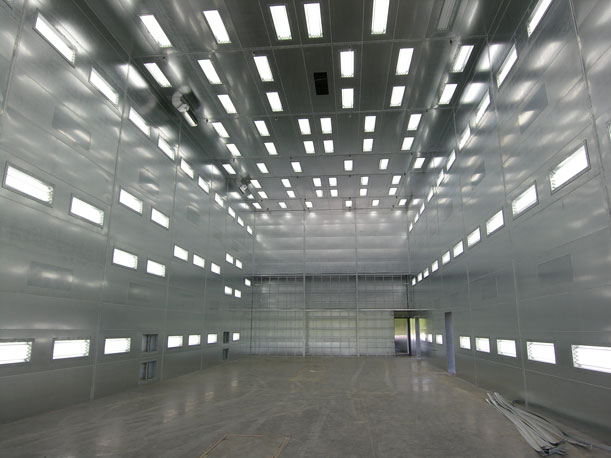 HTS Maintenance Facility
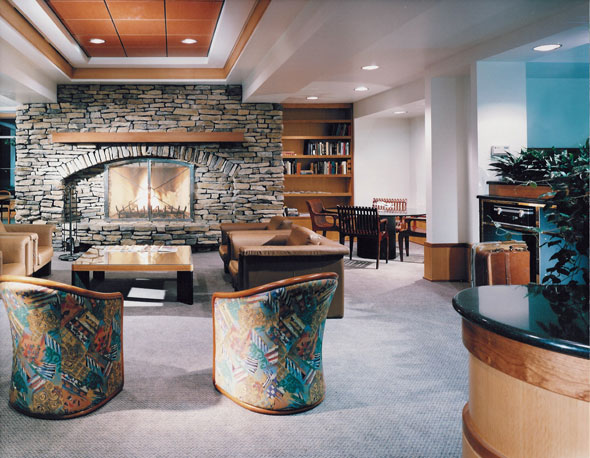 PDX Flightcraft Business Terminal
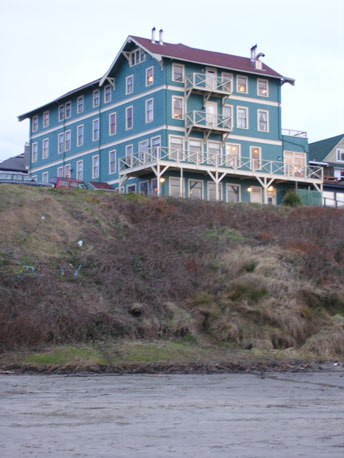 Sylvia Beach Hotel
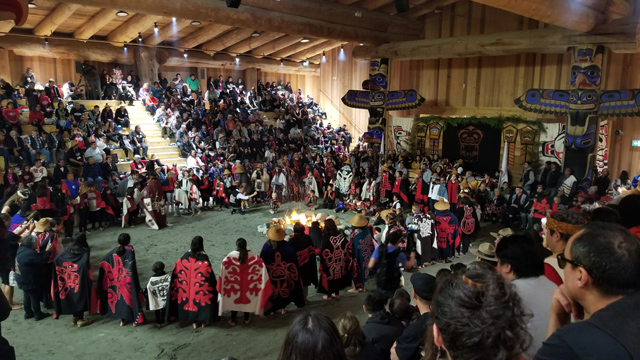 Heiltsuk Big House
Who is the Designer?
The design of buildings and landscapes is a magical process. There are many influences: wind and water, sun and moon, physics and poetry. Most importantly, buildings and landscapes come about through finding the true need and spirit for the thing itself.
The solution to this chaos is to focus on YOU and help you to find your unique seed of an idea for this future building and landscape. Once we have a seed, we can grow it, and nurture it into the real thing.
We want YOU to be the root designer. We will help you grow your kernel idea into the tree with fruit. That is what the pictures to the left, and elsewhere on these pages, represent from our prior clients.